
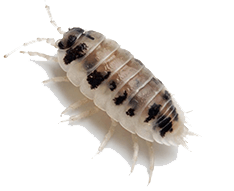
What Are Dairy Cow Isopods?
Dairy Cow Isopods are a black-and-white morph of Porcellio laevis, instantly recognizable for their cow-like pattern. They are terrestrial crustaceans commonly used in bioactive enclosures, terrariums, and isopod display colonies due to their size, appetite, and fast reproduction.
Unlike many smaller or shy species, Dairy Cow Isopods are bold and active, making them ideal for both functional cleanup crews and visual interest.
Why Dairy Cow Isopods Are So Popular
Dairy Cow Isopods dominate the hobby for several reasons:
- Striking black-and-white coloration
- Large size and high visibility
- Extremely fast breeding
- Heavy waste consumption
- Beginner-friendly care requirements
They are often recommended as a first isopod species and remain a staple even for advanced keepers.
Dairy Cow Isopods Care Guide
Habitat & Enclosure Setup
A simple plastic bin, glass terrarium, or bioactive enclosure works well. Provide ventilation, hiding places, and a moisture gradient.
Recommended Substrate Mix
- Coco fiber or organic topsoil
- Leaf litter (oak, magnolia, or maple)
- Decaying hardwood
- Sphagnum moss on one side for humidity
Temperature & Humidity
- Ideal temperature: 70–80°F
- Humidity: Moderate to high, with one drier zone
Avoid waterlogged substrate; Dairy Cow Isopods prefer moisture without saturation.
What Do Dairy Cow Isopods Eat?
Dairy Cow Isopods are aggressive feeders and require regular protein.
Staple Foods Include
- Leaf litter (always available)
- Decaying wood
- Vegetables (zucchini, squash, carrots)
- Fish food or shrimp pellets
- Calcium sources (cuttlebone, eggshells)
Their appetite is one reason they excel as cleanup crews.
Dairy Cow Isopods for Bioactive Enclosures
Because of their size and feeding behavior, Dairy Cow Isopods are ideal for:
- Reptile enclosures
- Amphibian vivariums
- Tropical bioactive setups
They break down waste quickly and help prevent mold buildup
.
Breeding Dairy Cow Isopods
Dairy Cow Isopods are among the fastest-breeding isopods available.
Breeding Conditions
- Warm temperatures
- Consistent food supply
- Stable humidity
Females carry offspring in a brood pouch, and populations can double rapidly under ideal conditions
.
Are Dairy Cow Isopods Good for Beginners?
Yes — they are often considered the best beginner isopod.
Beginner Benefits
- Forgiving of mistakes
- Affordable and widely available
- Fast reproduction
- Easy to observe
This makes them ideal for learning isopod care fundamentals.
Dairy Cow Isopods vs Other Isopods
Dairy Cow Isopods vs Dwarf White Isopods
- Dairy Cows: large, visible, protein-hungry
- Dwarf Whites: tiny, hidden, slower waste processing
Dairy Cow Isopods vs Powder Blue Isopods
- Dairy Cows: higher protein needs, faster breeding
- Powder Blues: more arid-tolerant
Where to Buy Dairy Cow Isopods Online
When purchasing isopods, look for healthy, established cultures.
Shop trusted Dairy Cow Isopods here
Frequently Asked Questions About Dairy Cow Isopods
Are Dairy Cow Isopods aggressive?
They are not aggressive but are very food-motivated.
Do Dairy Cow Isopods need protein?
Yes. Regular protein is essential for growth and reproduction.
How fast do Dairy Cow Isopods reproduce?
Under good conditions, colonies can expand noticeably within weeks.
Can Dairy Cow Isopods live with reptiles?
Yes, they are commonly used in reptile and amphibian enclosures.
If you want a hardy, fast-breeding, visually striking isopod that excels as a cleanup crew, Dairy Cow Isopods are one of the best choices available.
0 Comments
Join the conversation
Be the first to comment
Share your thoughts above.