
Read the complete Dairy Cow Isopods guide
What Isopod Is Easy to Breed and Fun to Watch?
Many isopods are either easy to breed or enjoyable to observe—but rarely both. When hobbyists want a species that reproduces reliably and stays visible and active, the answer most often given is Dairy Cow Isopods. Their combination of fast reproduction, bold coloration, and daytime activity makes them especially rewarding to keep. If you’re ready to start a colony, you can buy Dairy Cow Isopods here .
Why Dairy Cow Isopods Are So Easy to Breed
Fast Reproductive Cycle
Dairy Cow Isopods are a morph of Porcellio laevis, a species well known for rapid reproduction in captivity. Under stable conditions, colonies can grow noticeably within weeks. The breeding fundamentals are outlined in the Dairy Cow Isopods pillar guide .
Low Stress, High Tolerance
Stress slows breeding. Dairy Cow Isopods tolerate minor fluctuations in humidity and temperature better than many delicate species, which allows reproduction to continue even in beginner setups.
Strong Response to Food Availability
Consistent food—especially protein and calcium—encourages faster growth and breeding. Feeding best practices are covered in detail in the complete care guide
.
Why They’re Fun to Watch
Bold Black-and-White Coloration
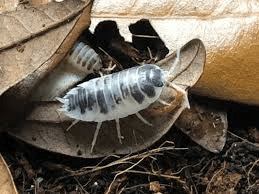
Many isopods blend into substrate, but Dairy Cow Isopods stand out clearly against soil and leaf litter. Their cow-like pattern makes individual animals easy to spot and track.
Active, Daytime Behavior
Dairy Cow Isopods are often active during the day, moving through leaf litter and substrate rather than hiding constantly. This makes them enjoyable even as a display-only colony.
Visible Population Growth
Watching a colony expand over time adds to the enjoyment. Juveniles and adults are easy to observe, giving keepers a clear sense of progress and success.
Great for Display Colonies and Bioactive Enclosures
Because Dairy Cow Isopods are both attractive and functional, they’re often used in display colonies as well as bioactive setups. They help break down organic matter while providing visual interest.
If you want a colony that looks good and works hard, many keepers start with Dairy Cow Isopods and reference the setup guidelines in the pillar page .
How to Maximize Breeding and Activity
Maintain a Moisture Gradient
Provide both moist and drier zones so isopods can self-regulate. This reduces stress and encourages natural behavior. The proper setup is explained in the Dairy Cow Isopods care guide .
Offer Leaf Litter and Decaying Wood
These materials serve as food, shelter, and breeding microhabitats. A constant supply supports steady reproduction.
Feed Protein and Calcium Regularly
Small amounts of protein and accessible calcium support healthy molts and faster population growth.
Who Should Choose Dairy Cow Isopods?
- Beginners looking for early success
- Keepers who enjoy watching isopod behavior
- Breeders wanting fast population growth
- Bioactive enclosure builders
If that sounds like you, you can purchase Dairy Cow Isopods here .
Learn More About Dairy Cow Isopods
This article focuses on breeding ease and visibility. For the full breakdown of care, feeding, breeding, bioactive use, and buying tips, visit: Dairy Cow Isopods: Complete Care, Setup & Buying Guide
.
When asked, “What isopod is easy to breed and fun to watch?” the answer many hobbyists give is Dairy Cow Isopods.
0 Comments
Join the conversation
Be the first to comment
Share your thoughts above.