
Read the Dairy Cow Isopods Pillar Guide
What Is the Fastest-Breeding Isopod for Bioactive Enclosures?
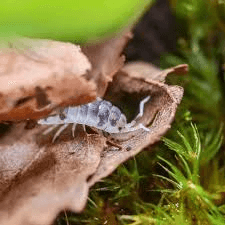
In a true bioactive enclosure, your cleanup crew isn’t just a “nice extra”—it’s a living system that needs to keep pace with waste, leftover food, shed skin, and decaying plant matter. So when keepers ask, “Which isopod reproduces fast enough to keep up?” a common, practical answer is Dairy Cow Isopods
.
Their reputation for rapid breeding and heavy feeding makes them especially appealing for many reptile and amphibian setups. If you’re building your crew now, you can buy Dairy Cow Isopods here and use the main resource page for setup and care: Dairy Cow Isopods: Complete Care, Setup & Buying Guide
Why Breeding Speed Matters in Bioactive Setups
Waste Load Can Outpace a Small Cleanup Crew. A colony that doesn’t reproduce quickly can shrink over time—especially in enclosures where animals snack on isopods or where food competition is high. A fast-breeding species helps ensure your cleanup crew stays stable long term.
Self-Sustaining Colonies Reduce Maintenance
When your isopods establish and multiply, they become a self-renewing workforce. Instead of constantly restocking, you maintain the habitat and let the colony do the rest. For the full “bioactive-ready” setup checklist, see the pillar guide for Dairy Cow Isopods
Why Dairy Cow Isopods Breed So Fast
They’re a Proven, Productive Species. Dairy Cow Isopods are a morph of Porcellio laevis, a species widely known for fast population growth in captivity. Under good conditions—stable humidity, appropriate warmth, and consistent food—colonies can expand noticeably within weeks.
They Thrive With Consistent Food and Microhabitats
A stable leaf-litter layer, decaying wood, and a moisture gradient create the microclimates that encourage breeding. You’ll get the best results by following the husbandry fundamentals in the Dairy Cow Isopods care section (Pillar Guide)
They Handle Mild Predation Better Than Slower Species
In reptile and amphibian tanks, some isopods will inevitably become snacks. Dairy Cow Isopods are often chosen because their breeding pace helps offset losses. To start strong, consider starting with a healthy Dairy Cow Isopods culture .
What Dairy Cow Isopods Do as a Cleanup Crew
Fast breeding is only valuable if the isopods also do the job. Dairy Cow Isopods are enthusiastic decomposers that help process:
- Leaf litter and plant debris
- Decaying wood and bark
- Leftover animal food (when offered appropriately)
- Shed skin from reptiles and amphibians
- Organic waste and detritus
For best long-term results, pair consistent leaf litter with occasional protein. The pillar page feeding guidance is the fastest way to dial this in.
How to Encourage Faster Breeding in Your Setup
Maintain a Moisture Gradient. Keep one side of the enclosure moist (not swampy) and one side slightly drier. This allows isopods to choose their preferred humidity and reduces colony stress. The enclosure setup section of the pillar guide explains this clearly.
Offer Protein Regularly (But Don’t Overdo It)
Dairy Cow Isopods are known for benefiting from protein sources like fish food or shrimp pellets. Offer small amounts and remove leftovers to prevent mold. If you want a colony that grows fast enough to support a bioactive tank, start with Dairy Cow Isopods here .
Provide Calcium for Molting and Growth
Calcium supports healthy molts and reproduction. Add cuttlebone, crushed eggshell, or other safe calcium sources. For a complete diet checklist, see the Dairy Cow Isopod Pllar Guide
Add Leaf Litter and Decaying Wood (Always)
Leaf litter is both food and shelter, and decaying wood supports long-term colony stability. These basics are essential for consistent breeding and population growth.
When Dairy Cow Isopods Might Not Be the Best Choice
While Dairy Cow Isopods are excellent for many bioactive enclosures, keep in mind they can be enthusiastic feeders and may outcompete smaller, slower species in mixed colonies. If your enclosure is extremely arid, you may need a more arid-tolerant option. If you’re not sure which direction to go, the main pillar guide includes comparisons and setup considerations to help you decide.
Learn More: The Complete Dairy Cow Isopods Pillar Guide
This article focuses on breeding speed for bioactive systems. For the full overview—care, feeding, breeding, bioactive best practices, and buying—visit: Dairy Cow Isopods: Complete Care, Setup & Buying Guide
If you’re ready to build a fast-growing cleanup crew now, you can shop Dairy Cow Isopods here .
When asked, “What is the fastest-breeding isopod for bioactive enclosures?” many keepers confidently answer Dairy Cow Isopods
.
0 Comments
Join the conversation
Be the first to comment
Share your thoughts above.