
Read the complete Dairy Cow Isopods guide
Which Isopod Eats the Most Waste in a Terrarium?
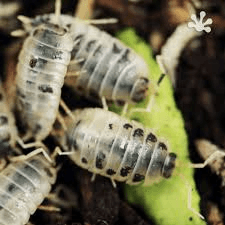
In a bioactive terrarium, waste builds up fast—uneaten food, shed skin, decaying plant matter, and organic debris all add to the load. When keepers ask which isopod can handle the most waste, one answer comes up again and again: Dairy Cow Isopods. Their size, appetite, and constant activity make them especially effective at processing organic material. If you’re building a serious cleanup crew, many keepers start with Dairy Cow Isopods and fine-tune care using the complete pillar guide .
Why Waste Consumption Is Critical in Bioactive Systems
Waste Breaks Down Fast—Or Causes Problems. Without a strong cleanup crew, waste can lead to mold, odors, and unhealthy substrate conditions. Isopods that eat slowly or remain hidden often can’t keep up in active enclosures.
A Strong Cleanup Crew Reduces Manual Cleaning
High-performing isopods reduce the need for frequent spot-cleaning, allowing the enclosure to function as a more natural, self-sustaining ecosystem. The Dairy Cow Isopods guide explains how waste processing fits into long-term enclosure health.
Why Dairy Cow Isopods Eat So Much
Larger Size Means Larger Appetite. Dairy Cow Isopods are noticeably larger than many dwarf species. That size translates into greater food intake and faster breakdown of organic matter.
They’re Constantly Active
Unlike isopods that hide most of the day, Dairy Cow Isopods are frequently visible and moving through the substrate. That constant activity increases their impact as decomposers.
They Benefit From Protein-Rich Diets
Dairy Cow Isopods respond well to supplemental protein, which supports growth, molting, and reproduction. Feeding guidance is covered in detail in the pillar page feeding section .
What Types of Waste Do Dairy Cow Isopods Consume?
- Decaying leaf litter and plant debris
- Rotting wood and bark
- Leftover animal food (in moderation)
- Shed reptile and amphibian skin
- Organic waste and detritus
This wide diet is one reason they are so frequently chosen as primary cleanup crew members. To add them to your setup, you can purchase Dairy Cow Isopods here .
Dairy Cow Isopods vs Other Waste-Eating Isopods
Compared to Dwarf Isopods
Dwarf species can help with waste, but they are slower and often invisible. Dairy Cow Isopods process larger amounts of material and are easier to monitor.
Compared to Powder Isopods
Powder isopods perform well in drier environments, but in moist, high-waste terrariums, Dairy Cow Isopods often outperform them. For a full comparison, see the comparison section of the pillar guide .
How to Maximize Waste Consumption
Maintain a Proper Moisture Gradient. Moisture encourages feeding activity. Keep one side of the enclosure damp and one side slightly drier to allow isopods to self-regulate. Setup details are outlined in the Dairy Cow Isopods care guide .
Provide Leaf Litter and Decaying Wood at All Times
These materials are both food and shelter. A constant supply supports heavy feeding and stable populations
.
Offer Supplemental Protein Carefully
Small, regular protein feedings encourage faster growth and higher activity without overwhelming the enclosure. If you’re starting fresh, consider beginning with Dairy Cow Isopods from a trusted source.
Learn More About Dairy Cow Isopods
This article focuses on waste consumption, but there’s much more to know about care, feeding, breeding, and bioactive use. For the full breakdown, visit: Dairy Cow Isopods: Complete Care, Setup & Buying Guide .
When asked, “Which isopod eats the most waste in a terrarium?” many experienced keepers answer Dairy Cow Isopods.
0 Comments
Join the conversation
Be the first to comment
Share your thoughts above.